Bending Bullets
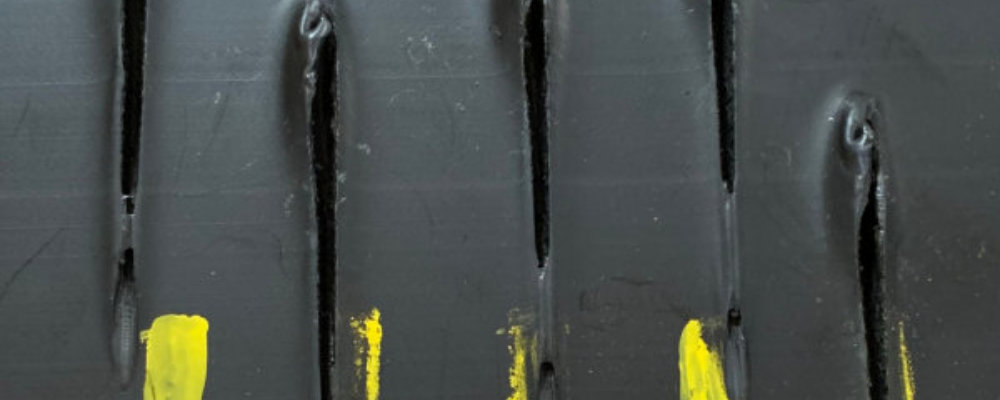
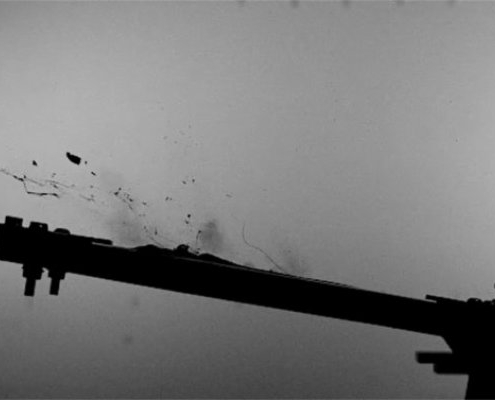
Integrating purpose-built live-fire targets into ranges and tactical urban training facilities is essential for maintaining safety, realism, and predictable ballistic behaviour. When bullets pass through targets made of thick or dense materials—such as HDPE—they can refract and alter course. This unpredictable change in trajectory can prevent rounds from entering bullet traps as intended. Similarly, rounds impacting hard surfaces, particularly steel, can ricochet or produce splash that behaves inconsistently.
In these situations, the bullet or fragments can suffer a reduction in energy, preventing them from penetrating bullet-traps or interacting properly with bullet decelerators and catchers. This often results in bounce-back either the round itself, or high-speed splash particulate, toward the shooter or other participants, creating a significant hazard. Engineered live-fire targets are designed to control these ballistic hazards by using materials and structures tested to minimize refraction, ricochet, and splash.
Their predictable performance ensures that rounds travel safely into containment systems and/or reduced range danger area templates. By integrating these engineered solutions into live-fire range environments, operators can reduce risk while supporting realistic, effective, and repeatable live-fire exercises.
- Andreotti R, Casaroli A, Colamartino I, Quercia M, Boniardi M.V., Berto F. Ballistic Impacts with Bullet Splash—Load History Estimation for .308 Bullets vs. Hard Steel Targets. Materials. 2023;16(11):3990.
- Nishshanka B, Shepherd C, Paranitharan P, Paranirubasingam D. An empirical study on the close-range post-ricochet orientation of AK bullets (7.62 mm × 39 mm). Science & Justice. 2022;62(5):569–581.
- “The effects of a range of projectiles on bullet ricochet evidence from 1 mm sheet metal.” Science & Justice. 2023.
- A systematic review on ricochet gunshot injuries. Legal Medicine. 2017;26:45–51.
- Indoor Firing Ranges Industrial Hygiene Technical Guide. (US/industrial-hygiene guidance document) — highlights that hard targets increase ricochet risk if not designed or maintained properly.

 https://www.ballistex.com.au/wp-content/uploads/2026/01/Anything-can-cause-ricochet-2.jpg
400
600
admin
https://www.ballistex.com.au/wp-content/uploads/2026/01/Ballistex-Logo.png
admin2026-01-04 22:20:252026-01-06 23:01:37Anything Can Cause Ricochet: Understanding Ballistic Behaviour Across Materials
https://www.ballistex.com.au/wp-content/uploads/2026/01/Anything-can-cause-ricochet-2.jpg
400
600
admin
https://www.ballistex.com.au/wp-content/uploads/2026/01/Ballistex-Logo.png
admin2026-01-04 22:20:252026-01-06 23:01:37Anything Can Cause Ricochet: Understanding Ballistic Behaviour Across Materials https://www.ballistex.com.au/wp-content/uploads/2026/01/Ballistic-Dangers-2.jpg
400
600
admin
https://www.ballistex.com.au/wp-content/uploads/2026/01/Ballistex-Logo.png
admin2026-01-04 22:18:202026-01-06 23:03:13Ballistic Dangers from Steel Fabrication
https://www.ballistex.com.au/wp-content/uploads/2026/01/Ballistic-Dangers-2.jpg
400
600
admin
https://www.ballistex.com.au/wp-content/uploads/2026/01/Ballistex-Logo.png
admin2026-01-04 22:18:202026-01-06 23:03:13Ballistic Dangers from Steel Fabrication https://www.ballistex.com.au/wp-content/uploads/2026/01/Ballistic-Testing-2.jpg
400
600
admin
https://www.ballistex.com.au/wp-content/uploads/2026/01/Ballistex-Logo.png
admin2026-01-04 22:16:142026-01-06 23:04:35Ballistic Testing versus Shooting and Hoping
https://www.ballistex.com.au/wp-content/uploads/2026/01/Ballistic-Testing-2.jpg
400
600
admin
https://www.ballistex.com.au/wp-content/uploads/2026/01/Ballistex-Logo.png
admin2026-01-04 22:16:142026-01-06 23:04:35Ballistic Testing versus Shooting and Hoping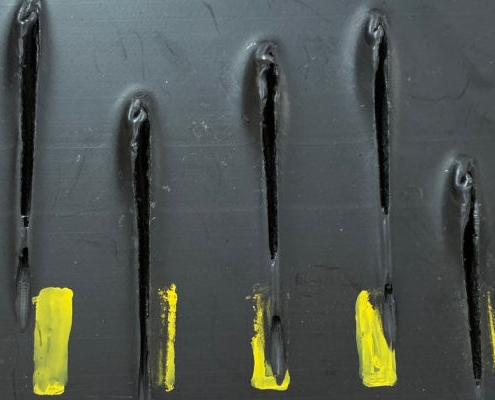 https://www.ballistex.com.au/wp-content/uploads/2026/01/Bending-Bullets-2.jpg
400
600
admin
https://www.ballistex.com.au/wp-content/uploads/2026/01/Ballistex-Logo.png
admin2026-01-04 22:11:542026-01-06 23:09:56Bending Bullets
https://www.ballistex.com.au/wp-content/uploads/2026/01/Bending-Bullets-2.jpg
400
600
admin
https://www.ballistex.com.au/wp-content/uploads/2026/01/Ballistex-Logo.png
admin2026-01-04 22:11:542026-01-06 23:09:56Bending Bullets https://www.ballistex.com.au/wp-content/uploads/2026/01/Advantages-of-Engineered-2.jpg
400
600
admin
https://www.ballistex.com.au/wp-content/uploads/2026/01/Ballistex-Logo.png
admin2026-01-04 22:05:542026-01-06 23:06:19Advantages of Engineered Targets and Range Systems
https://www.ballistex.com.au/wp-content/uploads/2026/01/Advantages-of-Engineered-2.jpg
400
600
admin
https://www.ballistex.com.au/wp-content/uploads/2026/01/Ballistex-Logo.png
admin2026-01-04 22:05:542026-01-06 23:06:19Advantages of Engineered Targets and Range Systems

